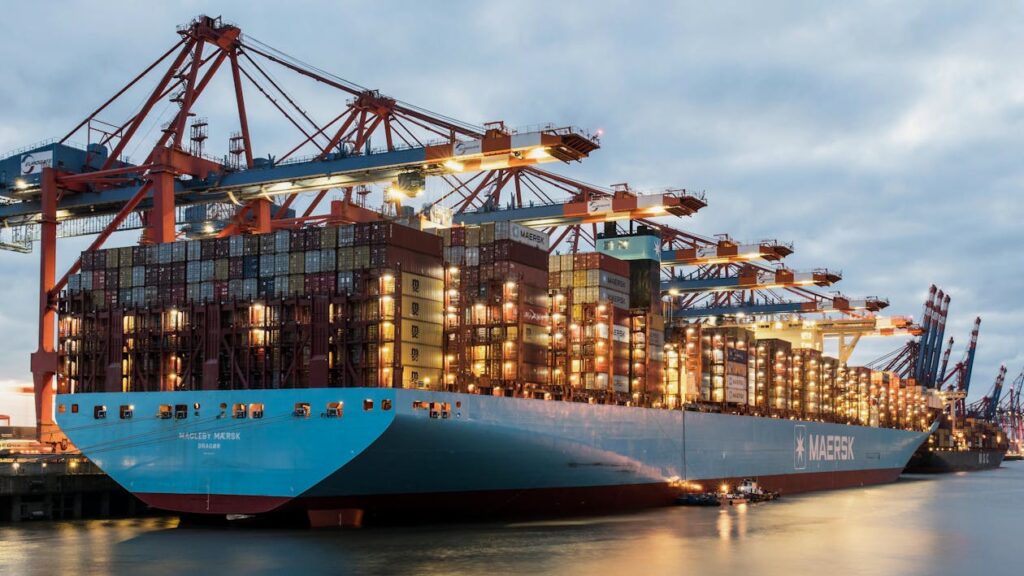
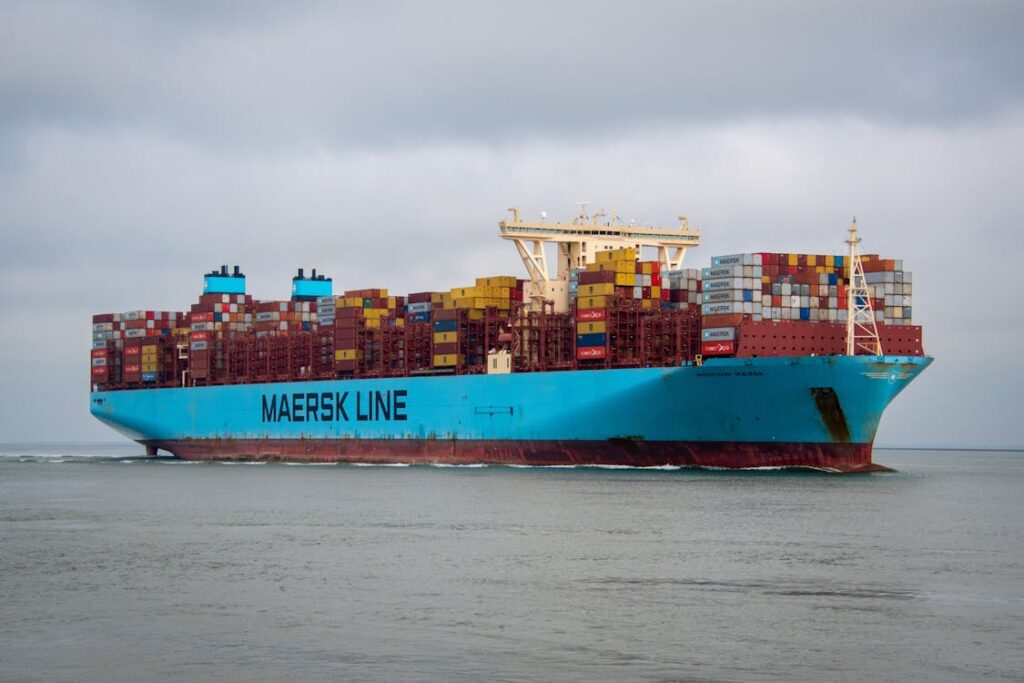
In 2025, UK companies face a range of evolving supply chain risks that demand proactive management and strategic planning. From geopolitical challenges to cybersecurity threats, the ability to navigate these risks is critical for maintaining business continuity and competitiveness. Below are the top ten supply chain risks for UK businesses and actionable strategies to mitigate them.
1. Geopolitical Instability
Geopolitical tensions remain one of the most significant supply chain risks for UK companies. Trade sanctions, conflicts, and political instability can disrupt global supply chains, leading to delays and increased costs. For example, political uncertainty in regions that supply raw materials can impact production timelines. Mitigating this risk involves diversifying supplier bases across multiple countries and maintaining a robust contingency plan.
2. Regulatory Changes
The ever-changing regulatory landscape poses a substantial risk to supply chains. Post-Brexit trade rules, environmental legislation, and new compliance standards can create unexpected hurdles. Companies must monitor these changes closely, invest in compliance teams, and build flexibility into their supply chain operations to adapt quickly to shifting regulatory requirements.
3. Environmental and Sustainability Pressures
Sustainability is no longer just a buzzword—it’s a requirement. Increasingly stringent environmental regulations and growing consumer demand for sustainable practices are driving companies to re-evaluate their supply chains. Failing to meet these expectations can damage reputations and lead to penalties. Businesses can mitigate this risk by adopting green logistics, sourcing from sustainable suppliers, and enhancing transparency through regular sustainability reporting.
4. Cybersecurity Threats
As supply chains become increasingly digitalised, cybersecurity has emerged as a significant risk. Cyber-attacks, ransomware, and data breaches can disrupt operations and compromise sensitive information. To manage this risk, businesses should strengthen their cybersecurity frameworks, conduct regular vulnerability assessments, and provide employee training on cyber awareness.
5. Labour Shortages
Labour shortages continue to challenge supply chains, particularly in sectors that rely heavily on manual labour, such as logistics and manufacturing. Factors such as Brexit, ageing workforces, and shifting demographics exacerbate this issue. To counteract this, companies should invest in automation, improve employee retention strategies, and upskill existing workforces to maintain operational efficiency.
6. Financial Volatility
Economic uncertainty, inflation, and fluctuating exchange rates represent significant supply chain risks. These factors can lead to increased costs and strained profit margins. Businesses can mitigate financial volatility by employing currency hedging strategies, negotiating flexible supplier contracts, and maintaining financial reserves to cushion against unexpected changes.
7. Supplier Reliability
Over-reliance on a single supplier or region is a common supply chain risk. If a key supplier fails to deliver due to financial troubles, natural disasters, or logistical issues, it can cause widespread disruption. Mitigating this risk involves diversifying suppliers, conducting regular audits of supplier reliability, and maintaining relationships with alternative suppliers as backups.
8. Transportation and Logistics Challenges
Transportation issues such as port congestion, rising fuel costs, and logistical bottlenecks are ongoing risks for supply chains. Delays in shipping can lead to missed deadlines and dissatisfied customers. Businesses should invest in advanced analytics to optimise delivery routes, partner with reliable logistics providers, and maintain flexible logistics strategies to adapt to disruptions.
9. Natural Disasters and Extreme Weather
Climate change has increased the frequency of natural disasters and extreme weather events, which pose significant risks to global supply chains. Floods, hurricanes, and wildfires can disrupt production facilities, damage goods in transit, and delay deliveries. Companies can build resilience by conducting risk assessments of vulnerable locations and diversifying sourcing and manufacturing hubs.
10. Technological Disruptions
While technology has revolutionised supply chain operations, it also brings new risks. Over-reliance on technology can leave businesses vulnerable to system failures, software bugs, or technology becoming obsolete. To mitigate this, companies should invest in robust IT systems, ensure regular software updates, and develop contingency plans for technical disruptions.
Overcoming Supply Chain Risks
Effectively managing supply chain risks requires a strategic and proactive approach. Here are some best practices for UK companies to strengthen their supply chains:
- Conduct Regular Risk Assessments: Regularly evaluate your supply chain to identify vulnerabilities and develop mitigation strategies.
- Diversify Suppliers: Avoid relying too heavily on one supplier or region by building a diverse supplier network.
- Invest in Technology: Leverage advanced technologies such as AI, blockchain, and IoT to enhance supply chain visibility and efficiency.
- Focus on Sustainability: Incorporate eco-friendly practices into your supply chain to meet regulatory and consumer demands.
- Strengthen Cybersecurity: Protect digital supply chain systems by investing in cybersecurity measures and employee training.
- Develop Contingency Plans: Prepare for disruptions with detailed response plans, safety stock, and alternative sourcing options.
Final Thoughts
In 2025, UK companies face a broad spectrum of supply chain risks, from geopolitical tensions to technological challenges. By adopting a proactive approach and implementing the strategies outlined above, businesses can build more resilient supply chains and remain competitive in an increasingly uncertain environment. Addressing these risks head-on will not only protect operations but also position companies to capitalise on new opportunities in the future.
Mitigating supply chain risks is an ongoing process that requires vigilance, adaptability, and strategic planning. By staying ahead of these challenges, UK companies can ensure their supply chains remain strong, efficient, and capable of driving long-term success.
2024 – BlackRoot Achieves JOSCAR Accreditation: Elevating Standards for Our Clients