What are digital assets?
Digital assets refer to any form of content or information that exists in a digital format and holds value. These assets can include various forms such as images, videos, audio files, documents, and even virtual currencies. They are typically stored and accessed through electronic devices or computer networks. Digital assets have become increasingly important in today’s digital age, playing a crucial role in areas such as business, finance, entertainment, and intellectual property.
How Businesses Can Protect Their Digital Assets:
As the UK continues to face a range of challenges from various sources, businesses operating within its borders must remain vigilant to ensure their operations, employees, and assets remain secure. One of the more pressing concerns is the evolving nature of terror threats, which can disrupt commerce, create financial instability, and expose vulnerabilities in digital systems. For businesses trading in the UK, protection of digital assets is crucial. This blog post will explore the current terror threat landscape, discuss the challenges businesses face, and offer practical advice on overcoming these threats, especially concerning the procurement and supply chain risks when sourcing goods from abroad.
The Current Terror Threat in the UK
The UK faces a complex and evolving terror threat, driven by both domestic and international factors. In recent years, terrorism has taken various forms, including lone-wolf attacks inspired by extremist ideologies, state-sponsored cyber warfare, and threats to infrastructure such as transport and energy. The UK’s Counter-Terrorism Strategy (CONTEST) outlines the various responses to terrorism, from preventing the radicalisation of individuals to protecting critical infrastructure.
A worrying trend in recent years has been the increase in cyber-attacks associated with terrorist groups. These groups often target digital infrastructure to cause disruption, steal sensitive information, or even fund their activities through ransomware attacks. The frequency of such cyber-attacks is growing, and businesses must now consider how to protect their digital assets in an increasingly hostile environment.
Challenges for Businesses
For businesses, the primary challenge posed by the current terror threat is safeguarding their digital assets. Digital assets encompass everything from sensitive customer information to financial data, intellectual property, and operational systems. Protecting these assets is essential, not just from a legal perspective, but to maintain the trust of clients and partners and to ensure business continuity.
However, this is no easy task, as cyber-attacks are becoming more sophisticated. Terrorist groups and criminal networks often work together, sharing techniques and resources to exploit weaknesses in business systems. For businesses trading in the UK, particularly those with an international presence, this means they must be aware of both physical and cyber threats.
How to Protect Digital Assets
Here are several key measures businesses can take to mitigate these threats and ensure the protection of digital assets:
1. Implementing Robust Cybersecurity Protocols
Investing in cybersecurity is a non-negotiable part of doing business in today’s environment. This includes implementing firewalls, encryption, and multi-factor authentication to protect sensitive data. However, technology alone is not enough. Businesses must also educate their employees on best practices, as human error remains a leading cause of security breaches.
An example of this is the 2017 WannaCry ransomware attack, which crippled parts of the NHS. The attack exploited outdated systems and unpatched software, emphasising the importance of regularly updating and maintaining digital infrastructure. Businesses must take lessons from this by ensuring that all systems are kept up to date with the latest security patches.
2. Engaging in Regular Risk Assessments
A comprehensive risk assessment can identify potential vulnerabilities in a business’s digital systems and operational processes. This should include regular audits of supply chain partners to ensure they adhere to the same security standards. A weak link in your supply chain can expose your entire operation to risk.
For instance, if a supplier based abroad is hacked, sensitive business information could be compromised. To combat this, businesses should develop contingency plans and enforce strict cybersecurity protocols on third-party suppliers.
3. Ensuring Secure Procurement and Supply Chain Management
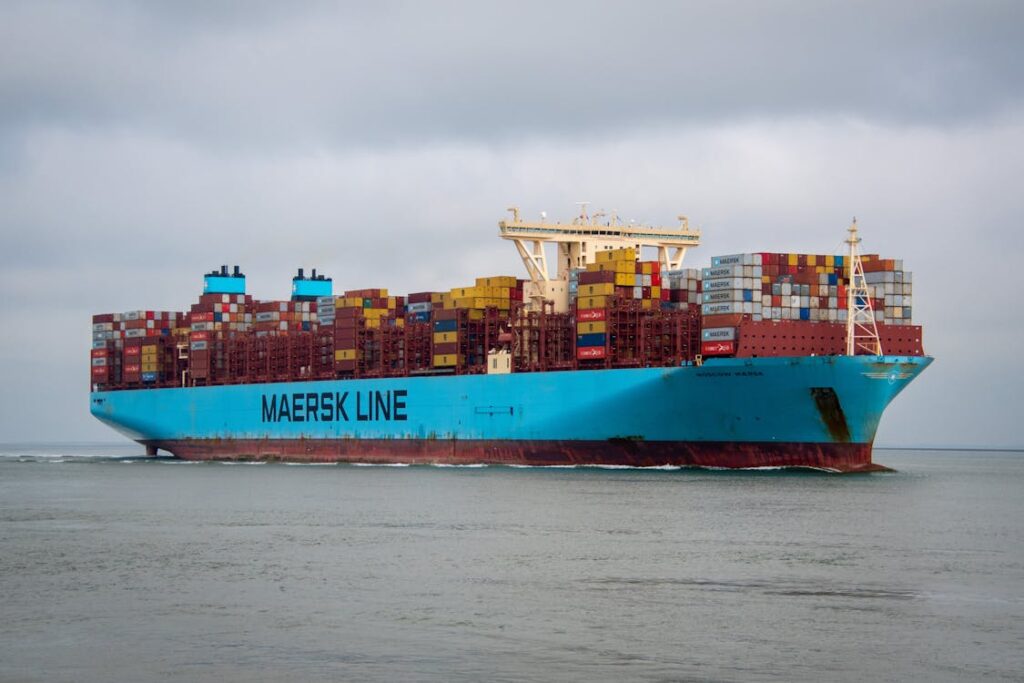
One of the significant challenges UK businesses face is procurement and supply chain issues when sourcing materials or services from abroad. Terror threats can affect supply chains in several ways: delays due to heightened border security, increased shipping costs due to route disruptions, or cyber-attacks targeting key suppliers. Ensuring that digital assets, such as contracts, logistics information, and financial data, are securely stored and transmitted is essential in mitigating these risks.
When sourcing from countries with higher risks of terror-related disruption, businesses must engage in thorough vetting of suppliers, ensuring they have robust security measures in place. Additionally, establishing alternative suppliers can ensure that your business is not reliant on a single source, providing greater flexibility in times of disruption.
4. Developing a Crisis Response Plan
It is essential for businesses to have a detailed crisis response plan. This plan should outline how the business will respond to a cyber-attack, data breach, or physical disruption caused by terrorism. The plan should include steps for business continuity, such as backup systems, alternative suppliers, and secure communication channels for employees and clients.
During the COVID-19 pandemic, many businesses learned the importance of having a crisis plan. Those who had contingency plans in place were able to pivot more quickly, ensuring minimal disruption to their operations. While terrorism presents a different set of challenges, the principle remains the same – businesses must be prepared for any eventuality.
Overcoming Procurement and Supply Chain Challenges
With the increasing globalisation of trade, businesses in the UK often rely on international suppliers to deliver goods and services. However, the current terror threat has introduced additional complexities to procurement and supply chain management. Here are some of the common issues and solutions:
1. Disruption of Shipping Routes
Terrorist activities can target critical transport routes, such as shipping lanes and airspace, leading to delays and increased costs. For businesses that rely on just-in-time delivery, these disruptions can have severe impacts.
Solution: Diversify your supply chain by identifying multiple suppliers in different regions. This reduces the risk of relying on one source that may be affected by terror-related disruptions. Using technology, such as supply chain management software, can help track shipments and identify potential disruptions early.
2. Cybersecurity Threats from Overseas Partners
International suppliers may not have the same cybersecurity standards as those in the UK, potentially leaving a business exposed to cyber-attacks.
Solution: Implement rigorous vetting procedures for overseas suppliers. Ensure they meet the necessary cybersecurity standards and conduct regular audits. Consider using blockchain technology for secure, transparent, and tamper-proof record-keeping across your supply chain.
3. Higher Insurance and Shipping Costs
Increased terror threats can lead to higher insurance premiums and additional costs associated with shipping goods through volatile regions.
Solution: Consider working with risk management consultants who can advise on cost-effective ways to mitigate these additional expenses. Businesses may also explore government-backed schemes that provide financial support to companies affected by terror-related disruptions.
Conclusion
The terror threat in the UK is ever-evolving, and businesses must remain proactive in safeguarding their digital assets and supply chains. Cyber-attacks, delays in procurement, and increased operational costs are all potential challenges, but they can be overcome with careful planning, robust cybersecurity measures, and a diversified supply chain strategy.
Protecting digital assets is central to ensuring the continuity of your business, especially in an age where terrorism and cybercrime intersect. By implementing strong security protocols, regularly assessing risk, and preparing for the unexpected, businesses can navigate these challenges while maintaining the trust of their customers and stakeholders.
While the road ahead may be uncertain, businesses that prioritise the protection of digital assets and adopt a flexible, security-first approach will be better equipped to face any future threats.
Understanding Asset Tracing and Recovery in Litigation