Overview of Global Sanctions
As of mid-2024, various sanctions are in place around the globe, each reflecting geopolitical tensions, human rights concerns, and attempts to curb malign activities by state and non-state actors. These sanctions, imposed by entities such as the United Nations (UN), the European Union (EU), and individual countries like the United States, target different nations and entities. Here’s an overview of some of the most prominent sanctions:
Russia
Background
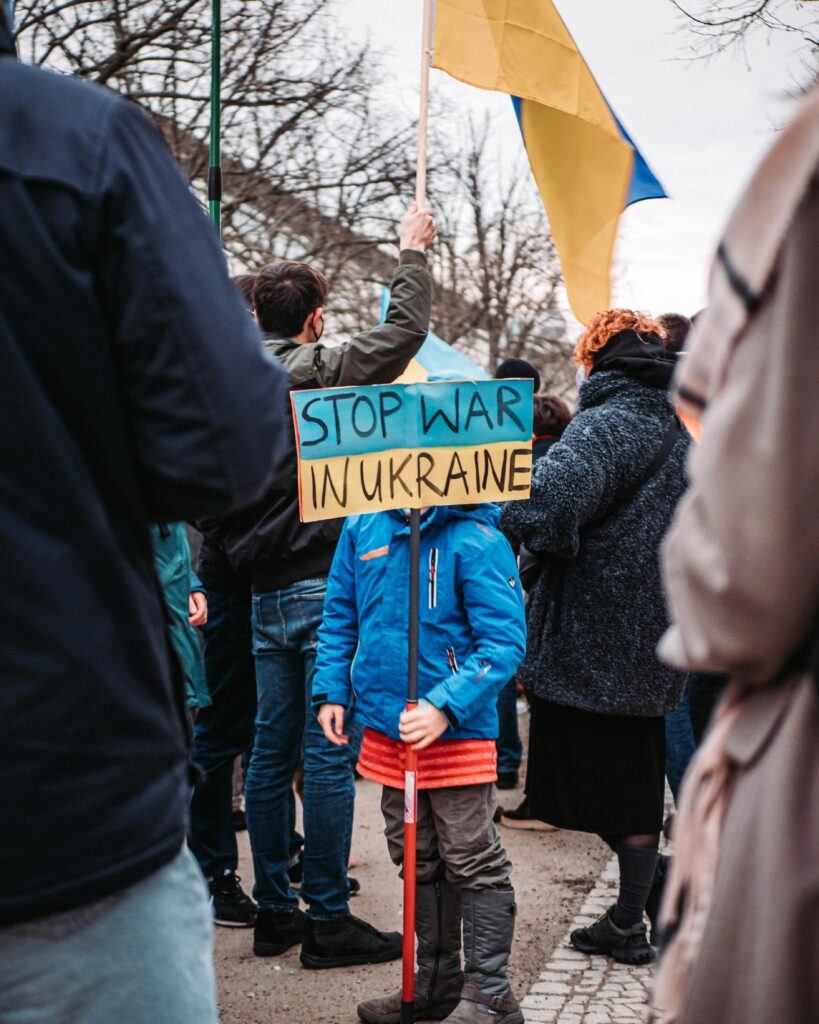
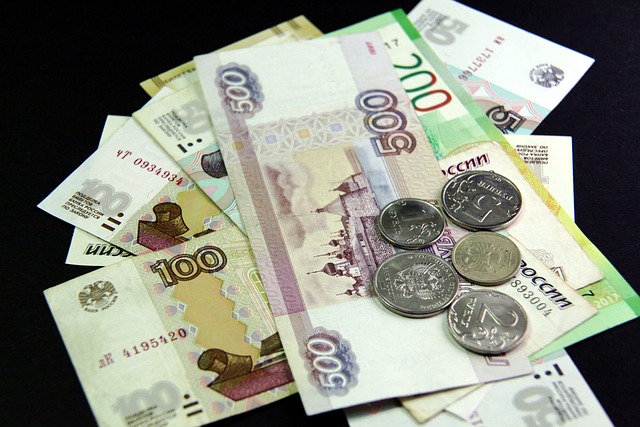
In response to Russia’s annexation of Crimea in 2014 and its ongoing activities in Ukraine, including the full-scale invasion in 2022, a comprehensive set of sanctions has been imposed by the US, EU, UK, Canada, and other countries.
Key Measures
- Financial Sanctions: Freezing assets of major Russian banks and exclusion from the SWIFT financial messaging system.
- Trade Restrictions: Bans on the export of dual-use goods, technology, and services related to energy and military sectors.
- Individual Sanctions: Travel bans and asset freezes on key Russian officials, oligarchs, and their families.
- Sectoral Sanctions: Restrictions on Russia’s access to Western technology and investment in oil, gas, and defense industries.
Iran
Background
Iran faces long-standing sanctions primarily due to its nuclear program and allegations of supporting terrorism.
Key Measures
- Nuclear-Related Sanctions: Re-imposed by the US in 2018 after it withdrew from the Joint Comprehensive Plan of Action (JCPOA). These include prohibitions on Iran’s oil exports, banking sector, and access to US dollars.
- Human Rights Sanctions: Targeting individuals and entities responsible for human rights abuses.
- Arms Embargo: Restricting the sale and supply of military equipment.
North Korea
Background
Sanctions aim to curb North Korea’s nuclear weapons and missile programs.
Key Measures
- UN Sanctions: Comprehensive restrictions including bans on luxury goods, coal, iron, lead, textiles, and seafood exports.
- Financial Sanctions: Freezing assets and cutting off financial transactions with North Korean banks.
- Maritime Sanctions: Prohibiting the shipping of certain goods and services.
Syria
Background
Sanctions target the Syrian government for its brutal crackdown on civilians during the civil war.
Key Measures
- EU and US Sanctions: Targeting individuals and entities associated with the Assad regime, including asset freezes and travel bans.
- Trade Restrictions: Banning the export of oil and petroleum products, as well as equipment that might be used for internal repression.
- Sectoral Sanctions: Restricting investments and financial services.
Venezuela
Background
Sanctions focus on the Maduro regime’s authoritarian actions and corruption.
Key Measures
- Financial Sanctions: Freezing assets of government officials and blocking financial transactions.
- Sectoral Sanctions: Particularly targeting the oil sector, which is crucial for Venezuela’s economy.
- Travel Bans: Imposed on key figures in the Maduro government.
Myanmar (Burma)
Background
Sanctions are in response to human rights abuses, particularly against the Rohingya population, and the 2021 military coup.
Key Measures
- US and EU Sanctions: Asset freezes and travel bans on military leaders and entities associated with the coup.
- Trade Restrictions: Limiting military exports and business engagements with military-owned enterprises.
Belarus
Background
Sanctions target the Lukashenko regime for election fraud and human rights abuses.
Key Measures
- EU and US Sanctions: Targeting officials and state-owned enterprises with asset freezes and travel bans.
- Sectoral Sanctions: Restricting trade in potash, petroleum products, and tobacco.
Other Sanctions
Yemen
Sanctions target Houthi leaders and entities involved in the conflict.
Libya
Sanctions focus on individuals and groups obstructing peace and stability.
South Sudan
Sanctions target those contributing to the conflict and humanitarian crises.
Global Impact
These global sanctions collectively aim to enforce international norms and deter malign behavior. They affect global trade patterns, financial markets, and diplomatic relations. Businesses must navigate these restrictions carefully to avoid legal repercussions and reputational damage. The efficacy of sanctions remains debated, with some arguing they bring change, while others see them as punitive measures with significant humanitarian consequences.
Conclusion
Global sanctions remain a crucial tool in international diplomacy, shaping global politics and economics. As geopolitical dynamics evolve, so too will the landscape of global sanctions, requiring continuous monitoring and adaptation by all stakeholders involved.
https://black-root.com/2024/10/22/what-is-open-source-intelligence-osint/