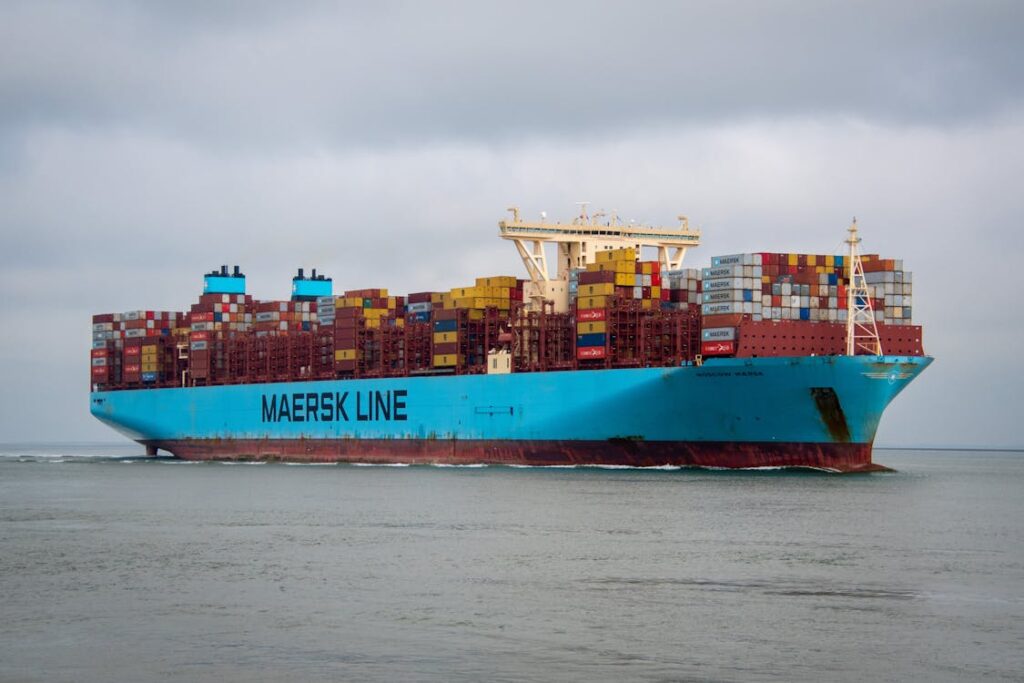
South Korea’s Tech Supply Chain
South Korea’s semiconductor ecosystem, powered by giants like Samsung and SK Hynix, is a cornerstone of the global technology supply chain. This dominance in critical technologies, particularly memory chips, makes it vital to industries worldwide. However, South Korea faces significant supply chain risks that could affect its position in the global tech landscape. Below is an exploration of current risks, their implications, future challenges, and potential solutions.
Geopolitical Tensions
The semiconductor industry is increasingly caught in the crossfire of global geopolitics, particularly between the U.S. and China. The U.S. CHIPS Act restricts exports of advanced technologies to China, a key market for South Korean companies. This impacts revenues and complicates market strategies for firms like Samsung and SK Hynix, which rely heavily on Chinese demand
Resource Dependency
South Korea depends heavily on imported raw materials and equipment. For example, critical components like photoresists and etching gases largely come from Japan, a situation that became evident during the 2019 trade disputes. This dependency exposes the country to supply disruptions and price fluctuations.
Supply Chain Complexity
As South Korea works on ambitious projects like the world’s largest semiconductor cluster, the complexity of managing supply chains involving thousands of suppliers and contractors increases. Any delays or inefficiencies in infrastructure development could hinder production timelines.
Natural Disasters and Climate Risks
South Korea’s high population density and reliance on industrial hubs make it particularly vulnerable to natural disasters like typhoons and floods, which can disrupt manufacturing and logistics.
Implications of These Risks
- Global Tech Instability: South Korea’s dominance in memory chips means disruptions could ripple across industries reliant on electronics, from smartphones to automotive.
- Market Volatility: Geopolitical risks and resource dependencies contribute to market uncertainties, affecting pricing and supply reliability globally.
- Innovation Slowdown: Supply chain inefficiencies may delay research and development (R&D), impacting South Korea’s ability to maintain technological leadership.
Future Challenges
1. Maintaining Competitive Edge
As competitors like the U.S., China, and the EU increase investments in domestic chip production, South Korea must innovate and scale to maintain its position. Initiatives like the $471 billion semiconductor cluster are crucial but face challenges in execution.
2. Decarbonisation Pressure
Global pressures for sustainable practices demand a shift to greener technologies and processes. This transition may increase costs and require significant R&D investment.
3. Workforce Shortages
The industry faces a shortage of highly skilled workers, a critical gap for implementing advanced manufacturing technologies and maintaining innovation momentum.
Strategies to Overcome Supply Chain Risks
1. Diversifying Supply Sources
South Korea can reduce its reliance on any single supplier or country by diversifying its supply chain. Collaborations with allies in regions like Europe or Southeast Asia could mitigate risks of material shortages.
2. Strengthening Domestic Production
Investments in local production of critical materials and components could reduce dependency. The government’s plan to boost self-sufficiency from 30% to 50% by 2030 is a step in the right direction.
3. Fostering Global Alliances
Building stronger ties with countries like the U.S. and Japan through free trade agreements and joint ventures can provide more stability and access to advanced technologies.
4. Digital Supply Chain Transformation
Adopting artificial intelligence (AI), blockchain, and predictive analytics can enhance supply chain resilience. These technologies can improve transparency, forecast disruptions, and optimise logistics.
5. Climate Resilience
Investing in disaster-proof infrastructure and sustainable practices can mitigate the impact of natural disasters. This includes smarter water and power management in industrial clusters.
6. Upskilling the Workforce
Government and private sectors need to collaborate on training programs to address the talent shortage in advanced manufacturing and R&D.
Conclusion
South Korea’s semiconductor ecosystem is critical to the global tech supply chain, but it faces significant challenges from geopolitical tensions, resource dependencies, and logistical complexities. By diversifying supply sources, boosting domestic production, and leveraging technology for supply chain resilience, South Korea can maintain its leadership in the global semiconductor race. Proactive strategies and international collaboration will be essential to navigate the uncertainties of a highly interconnected global market.
https://black-root.com/2024/10/28/2024-blackroot-achieves-joscar/
2024 – BlackRoot Achieves JOSCAR Accreditation: Elevating Standards for Our Clients