Will Inflation Start Rising?
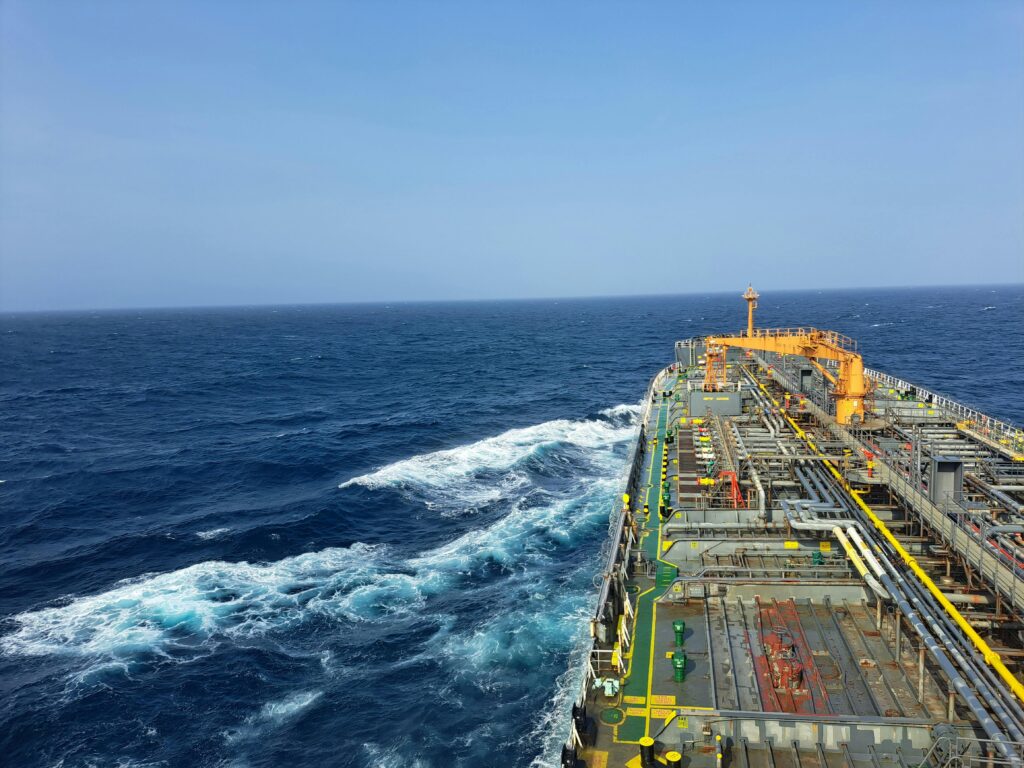
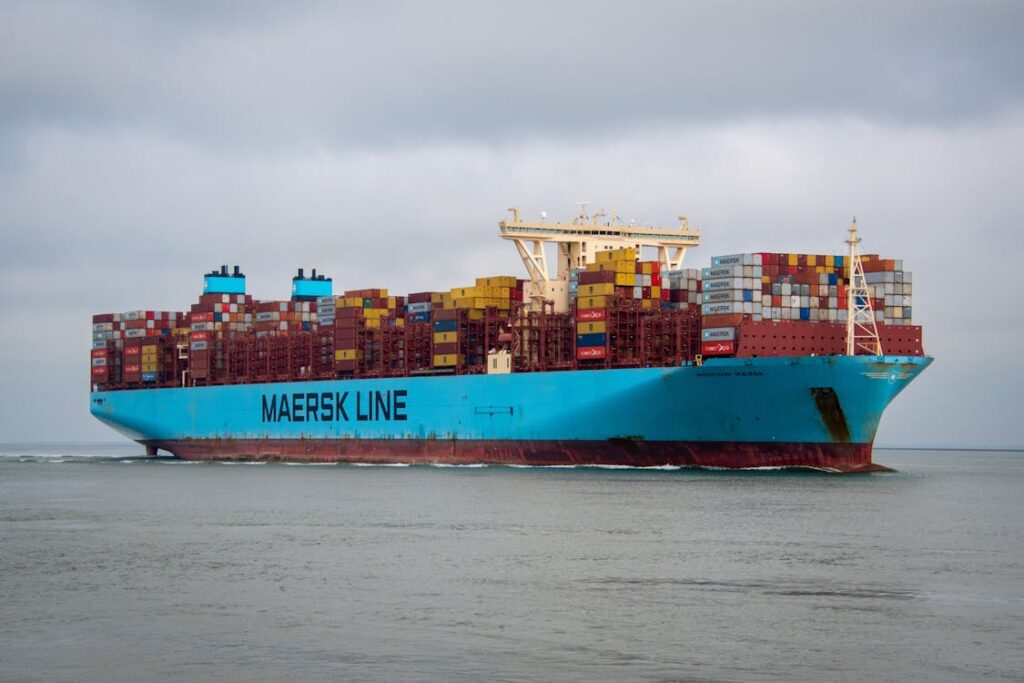
Global supply chains are once again under intense pressure, sparking concerns that inflation may start to rise. A number of factors are contributing to this stress, including the conflict in the Middle East, ongoing strikes at key US ports, and severe disruptions at the Panama Canal. These problems are likely to have widespread consequences, particularly for exporters, and could lead to significant economic challenges worldwide. As businesses and consumers feel the impact of these issues, the question on many minds is: will inflation start rising again?
The Importance of Global Supply Chains
To understand how these disruptions might affect inflation, it’s important to first appreciate the critical role global supply chains play in the economy. Modern supply chains are highly interconnected and complex, involving the movement of raw materials, components, and finished goods across numerous borders. This intricate system allows companies to produce goods more efficiently and at lower costs by outsourcing various stages of production to different parts of the world.
However, this interconnectedness also makes supply chains vulnerable to disruptions. When any part of the chain is interrupted, it can lead to delays, shortages, and increased costs. These disruptions can ripple through the economy, ultimately affecting prices for consumers. And when prices rise, inflation becomes a very real concern.
Conflict in the Middle East and Its Impact on Inflation
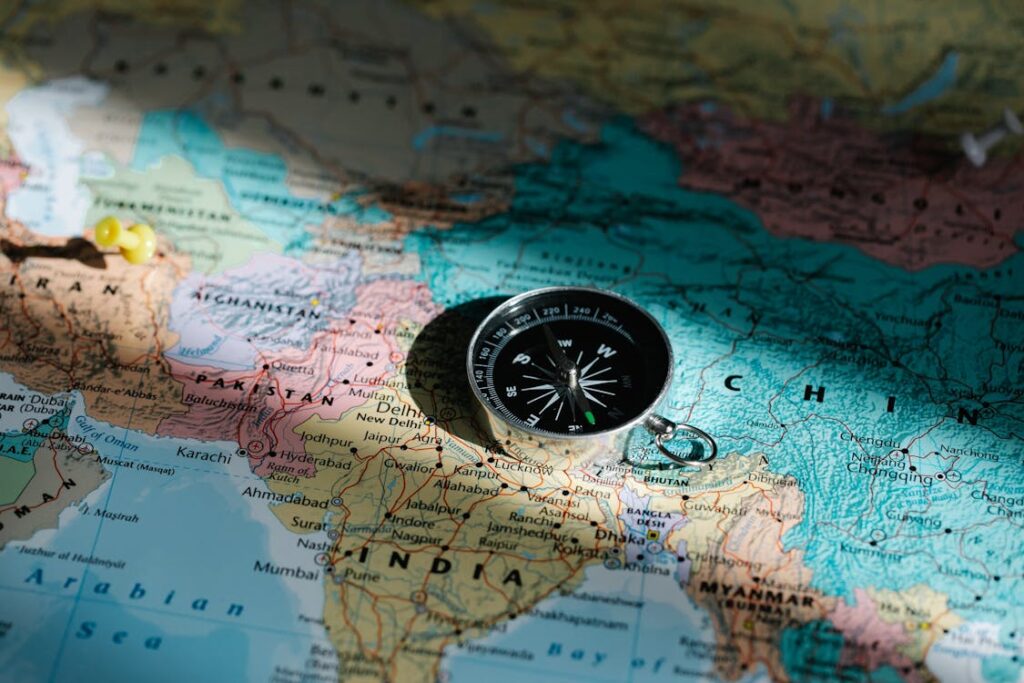
One of the primary contributors to the current strain on global supply chains is the ongoing conflict in the Middle East. The region is a major hub for the production and transport of oil, a key resource for many industries. Any instability in this area can have far-reaching effects on global markets.
The conflict has already led to spikes in oil prices, as traders anticipate disruptions to supply. Higher oil prices directly impact transportation costs, which in turn affect the cost of shipping goods around the world. These increased costs are often passed on to consumers in the form of higher prices for goods, contributing to inflation.
Additionally, the conflict has the potential to escalate, leading to further uncertainty in global markets. If major shipping routes through the Middle East, such as the Strait of Hormuz, are disrupted, it could create significant bottlenecks for global trade. This would exacerbate supply shortages and increase inflationary pressures.
Strikes at US Ports: A Major Threat to Exporters
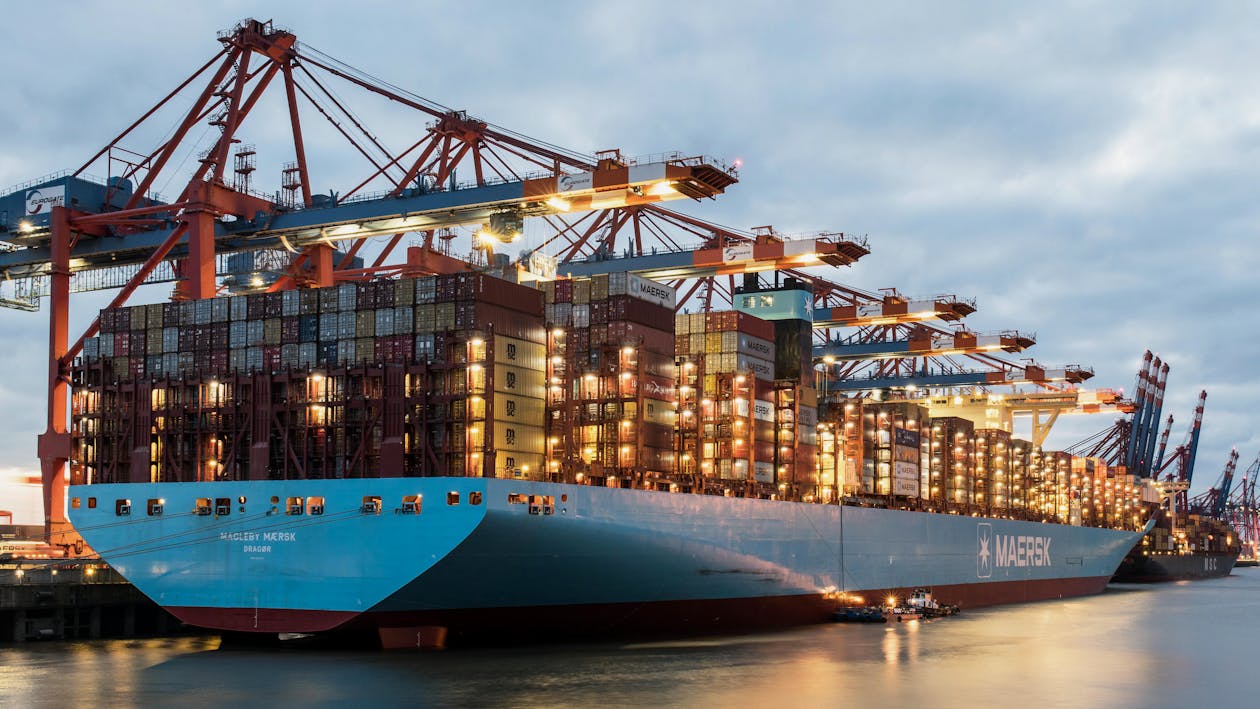
In addition to the conflict in the Middle East, strikes at key US ports are causing further strain on global supply chains. US ports are among the busiest in the world, handling a significant portion of global trade. When these ports are disrupted, it can lead to significant delays in the movement of goods.
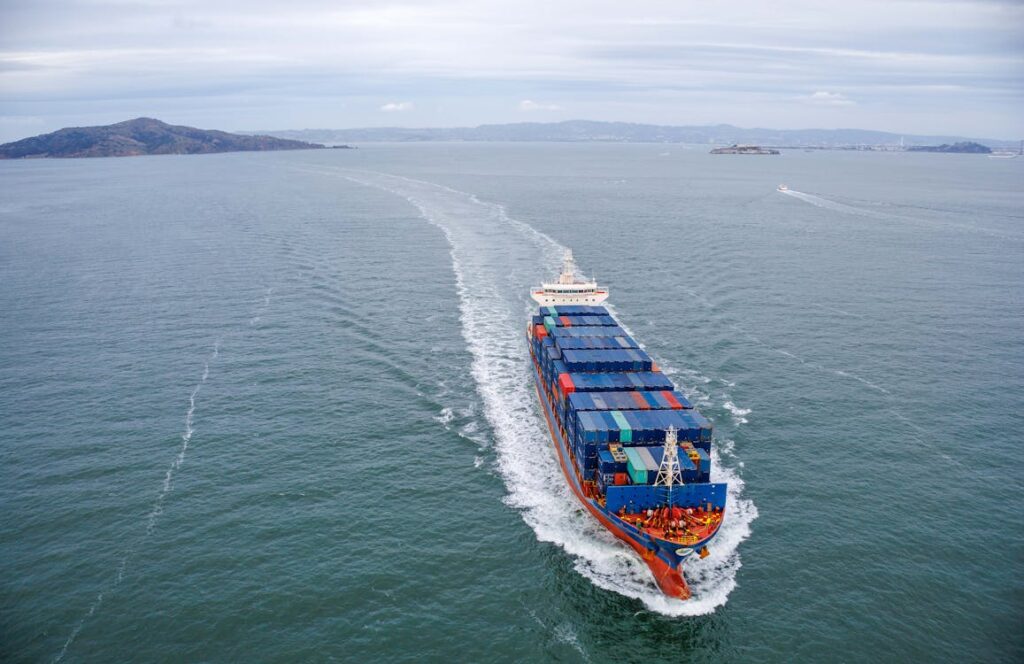
The strikes have already led to backlogs of shipping containers, with many exporters struggling to get their products to market. These delays not only increase costs for businesses but also create shortages of goods, driving up prices. For exporters, the situation is particularly dire, as they face rising transportation costs and the potential loss of business due to delayed deliveries.
The longer these strikes continue, the greater the risk that inflation will rise. Businesses will likely pass on these increased costs to consumers, leading to higher prices for goods and services.
Problems at the Panama Canal: A Bottleneck for Global Trade
Another significant challenge facing global supply chains is the disruption at the Panama Canal. The canal is one of the world’s most important shipping routes, allowing vessels to move between the Atlantic and Pacific Oceans. However, ongoing drought conditions have led to a reduction in the water levels needed to operate the canal, resulting in restrictions on the number and size of ships that can pass through.
This has created a major bottleneck for global trade, with many ships facing long delays or being forced to take longer, alternative routes. The increased shipping times and costs associated with these delays are putting additional pressure on global supply chains, further contributing to inflationary pressures.
For exporters, the problems at the Panama Canal are particularly concerning. The delays and increased costs associated with shipping through the canal are making it more difficult and expensive to get goods to market. As a result, businesses may be forced to raise prices to cover these additional costs, further fuelling inflation.
The Broader Economic Impact of Supply Chain Disruptions
The combined effects of these disruptions are creating a perfect storm for inflation. Rising transportation costs, shortages of goods, and increased uncertainty in global markets are all contributing to upward pressure on prices. For businesses, these challenges mean higher operating costs, which are often passed on to consumers in the form of price increases.
This situation is particularly concerning given the current economic climate. Many countries are still grappling with the effects of the COVID-19 pandemic, and inflation has already been a major issue in recent years. Central banks around the world have been raising interest rates in an effort to combat inflation, but these supply chain disruptions could make their task even more difficult.
Will Inflation Start Rising Again?
The big question is whether these supply chain disruptions will lead to a sustained rise in inflation. The answer is complex and depends on a number of factors.
In the short term, it seems likely that inflation will rise as businesses pass on the increased costs associated with transportation delays, shortages, and higher oil prices. The conflict in the Middle East, strikes at US ports, and problems at the Panama Canal are all contributing to these inflationary pressures.
However, the longer-term outlook is less certain. Much will depend on how quickly these issues can be resolved. If the conflict in the Middle East stabilises, if the strikes at US ports are resolved, and if the problems at the Panama Canal are addressed, inflationary pressures could ease.
On the other hand, if these issues persist or worsen, inflation could remain elevated for an extended period. In particular, if oil prices continue to rise or if major shipping routes are disrupted for a prolonged period, the impact on global supply chains could be severe, leading to sustained inflationary pressures.
What Can Be Done to Mitigate the Impact?
There are steps that governments and businesses can take to mitigate the impact of these supply chain disruptions on inflation. For governments, it is crucial to monitor the situation closely and take action to stabilise markets where possible. This may include diplomatic efforts to resolve conflicts, as well as measures to support affected industries.
For businesses, the key will be to adapt to the challenges posed by these disruptions. This may involve finding alternative shipping routes, diversifying suppliers, or investing in new technologies to improve efficiency. While these measures may involve additional costs in the short term, they can help businesses mitigate the impact of supply chain disruptions and avoid passing on significant price increases to consumers.
Conclusion
Global supply chains are once again under pressure, and the consequences could be significant. The combination of the conflict in the Middle East, strikes at US ports, and problems at the Panama Canal is creating a challenging environment for exporters and businesses around the world. These disruptions are likely to lead to rising transportation costs, shortages of goods, and increased inflationary pressures.
While the short-term outlook for inflation is concerning, the longer-term impact will depend on how quickly these issues can be resolved. In the meantime, businesses and governments will need to take proactive steps to mitigate the impact of these disruptions and prevent a sustained rise in inflation.
https://black-root.com/2024/07/30/leading-the-way-esg-due-diligence/