Current Supply Chain Challenges in the Red Sea
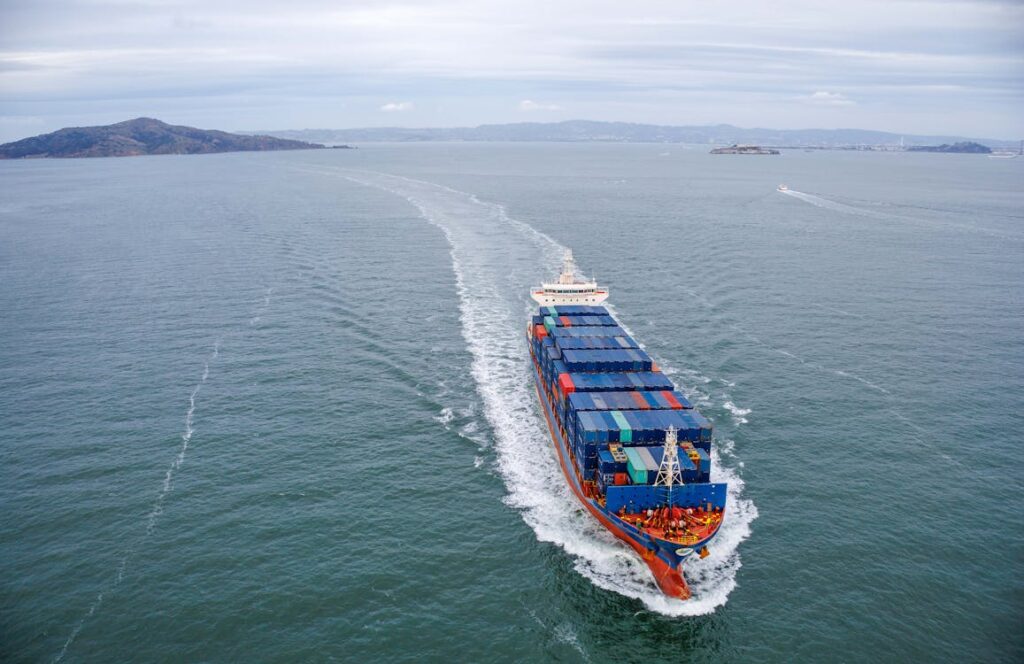
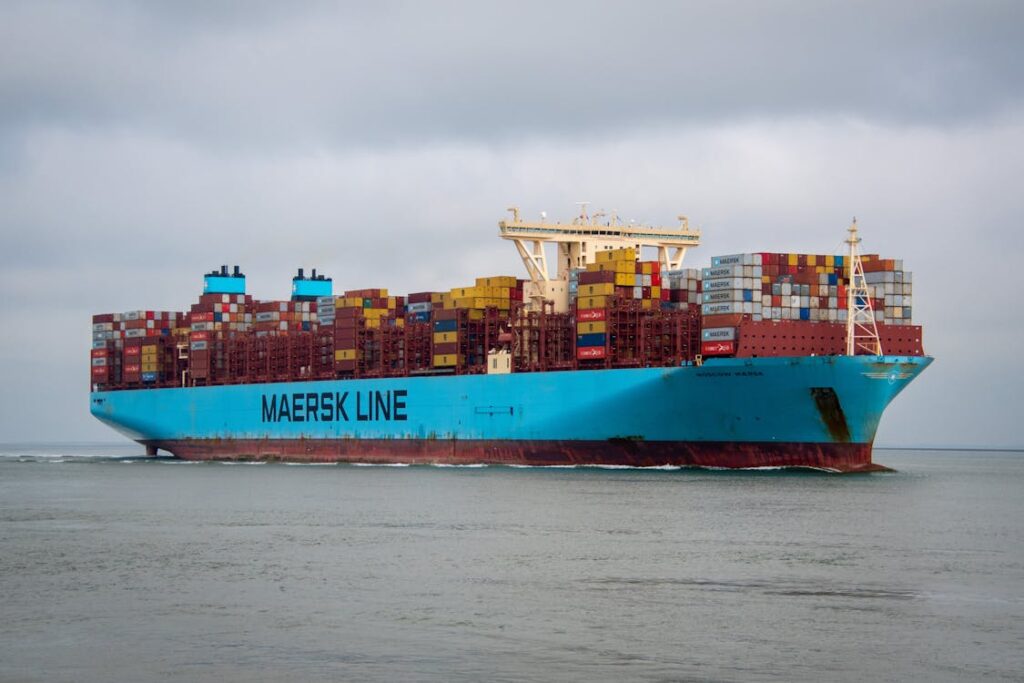
The Red Sea remains a critical maritime corridor, connecting the Mediterranean to the Indian Ocean via the Suez Canal. However, this strategic route faces significant supply chain disruptions, exacerbated by recent geopolitical, environmental, and logistical developments. These issues have widespread implications for global trade, affecting everything from oil shipments to consumer goods.
Geopolitical Tensions
Sudan Conflict
The ongoing conflict in Sudan has recently escalated, creating instability along the Red Sea coast. This conflict has disrupted port operations and transportation networks, affecting the flow of goods. The Sudanese ports, vital for regional trade, are now plagued by delays and operational inefficiencies due to security concerns and damaged infrastructure.
Yemeni Civil War
The civil war in Yemen continues to destabilise the region. Houthi rebels have increased their attacks on vessels in the Red Sea, including commercial ships. These incidents have heightened security risks, raised insurance costs, and deterred shipping companies from using this route, leading to increased transit times and costs.
Piracy and Maritime Security
Increased Piracy Incidents
Despite international efforts, piracy remains a significant threat in the Red Sea, particularly around the Gulf of Aden. Recent reports indicate a resurgence in piracy activities, with several commercial vessels targeted. The heightened risk has compelled shipping companies to adopt more stringent security measures, such as employing armed guards and rerouting ships, further escalating costs.
International Naval Presence
The international community has bolstered its naval presence in the Red Sea to combat piracy and ensure maritime security. Joint naval patrols and surveillance missions by countries like the US, UK, and France aim to deter piracy and ensure the safe passage of vessels. While these efforts are crucial, they also highlight the persistent security challenges in the region.
Environmental Concerns
Recent Oil Spills
Recent oil spills in the Red Sea have caused significant environmental damage, disrupting marine life and local economies dependent on fishing and tourism. These incidents, often linked to shipping accidents or deliberate attacks, have also led to temporary shipping route closures and costly cleanup operations, affecting global supply chains.
Climate Change Impact
Climate change continues to pose a growing threat to maritime operations. The Red Sea has experienced more frequent and severe weather events, disrupting shipping schedules and port operations. Rising sea levels and changing water temperatures also necessitate adaptive measures, adding to operational complexities and costs.
Infrastructure Limitations
Port Congestion and Delays
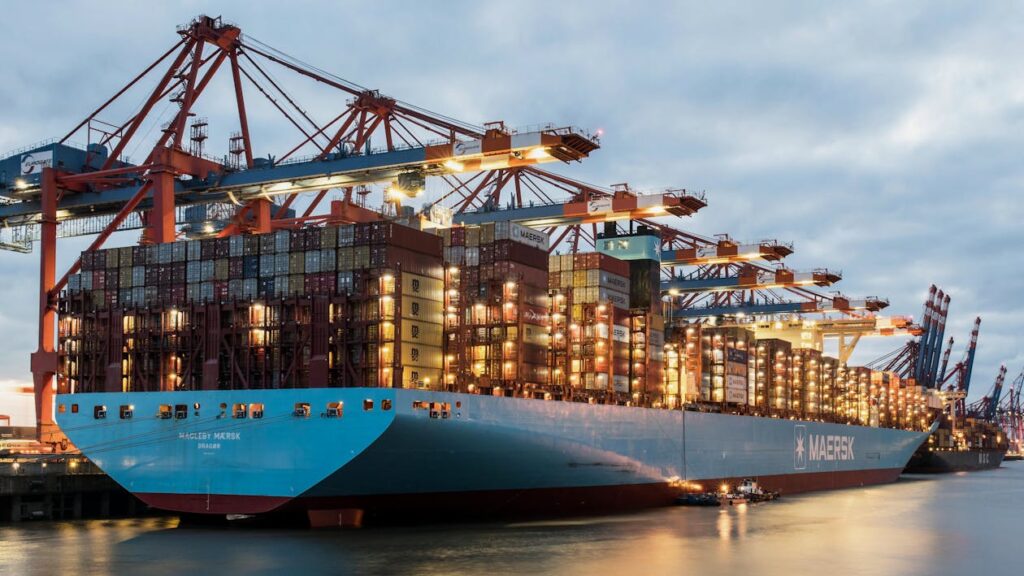
Port congestion remains a significant issue, particularly in key ports like Jeddah and Port Sudan. The recent influx of goods coupled with outdated infrastructure has led to severe bottlenecks. Modernisation efforts are underway, but progress is slow, and the current capacity is struggling to keep pace with demand.
Suez Canal Blockages
The Suez Canal, a critical chokepoint for global trade, continues to face congestion issues. Even minor disruptions can have a ripple effect, causing significant delays. For instance, recent maintenance work and occasional accidents have temporarily slowed down traffic, highlighting the canal’s vulnerability to blockages.
Economic Factors
Fluctuating Oil Prices
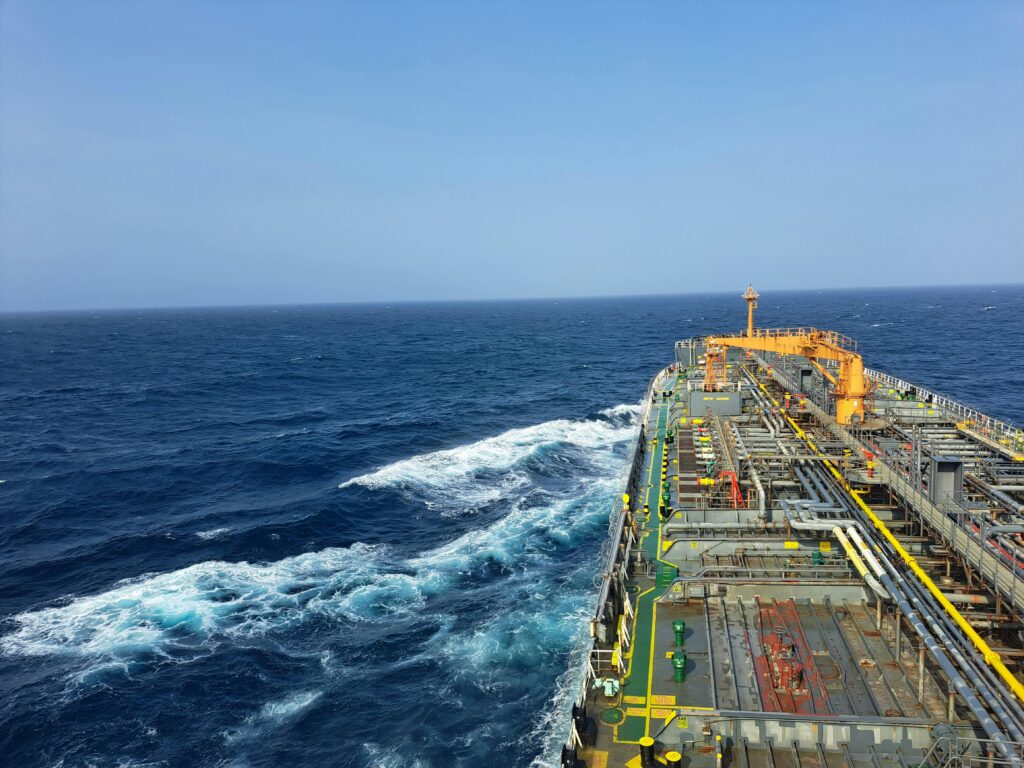
Global oil price volatility directly impacts shipping costs and supply chain stability. The Red Sea, a major route for oil tankers, is particularly sensitive to these fluctuations. Recent geopolitical tensions and production cuts by OPEC have led to significant oil price increases, affecting the cost of transporting goods.
Rising Shipping Costs
The cumulative effect of increased security measures, insurance premiums, and extended transit times has led to higher shipping costs. These additional expenses are often passed on to consumers, resulting in higher prices for goods and raw materials. This, in turn, can impact global economic stability and trade dynamics.
International Collaboration and Solutions
Enhanced Multinational Efforts
To address these supply chain challenges, there has been a renewed focus on international collaboration. Initiatives like the Combined Maritime Forces (CMF) have been strengthened, with more countries contributing resources to enhance security and combat piracy. These efforts are essential for maintaining the safety and efficiency of maritime operations in the Red Sea.
Investment in Infrastructure
Significant investments in port infrastructure and logistics networks are being prioritised to improve efficiency and capacity. Projects aimed at modernising ports and enhancing transportation networks are crucial for mitigating some of the challenges posed by political instability and environmental concerns.
Conclusion
The current problems with supply in the Red Sea are multifaceted, involving geopolitical tensions, piracy, environmental issues, infrastructure limitations, and economic factors. Addressing these challenges requires coordinated efforts from international stakeholders, substantial investments in infrastructure, and adaptive measures to respond to environmental changes. Ensuring the safe and efficient flow of goods through this critical maritime route is essential for global trade and economic stability.
The Red Sea remains a critical maritime corridor, connecting the Mediterranean to the Indian Ocean via the Suez Canal. However, this strategic route faces significant supply chain disruptions, exacerbated by recent geopolitical, environmental, and logistical developments. These issues have widespread implications for global trade, affecting everything from oil shipments to consumer goods.
https://black-root.com/2025/01/20/2025-asset-tracing/