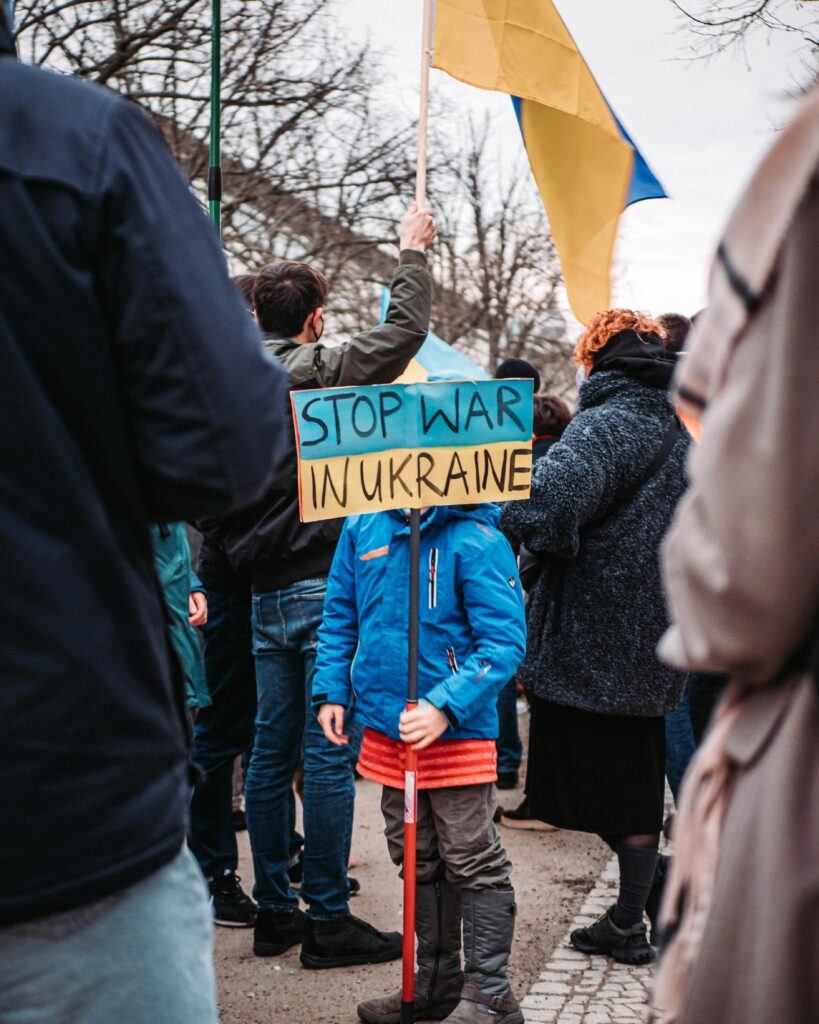
In October 2024, the UK Prime Minister issued a stern warning about the growing threat posed by Russia to global stability, as President Vladimir Putin intensifies attacks on Ukraine’s Black Sea port infrastructure. This escalation is causing significant disruption to critical grain shipments, which are essential for feeding vulnerable populations in the Global South, including regions like Gaza and parts of Africa.
Russia’s actions are viewed as a deliberate attempt to weaponize food supply chains by obstructing Ukraine’s grain exports, which had previously been safeguarded under the Black Sea Grain Initiative, a UN-brokered agreement. The withdrawal from this agreement in July 2023, followed by targeted strikes on port facilities, has severely hampered Ukraine’s capacity to export grain, sending ripple effects across global food markets. This is particularly concerning given Ukraine’s status as a top exporter of wheat, corn, and sunflower oil.
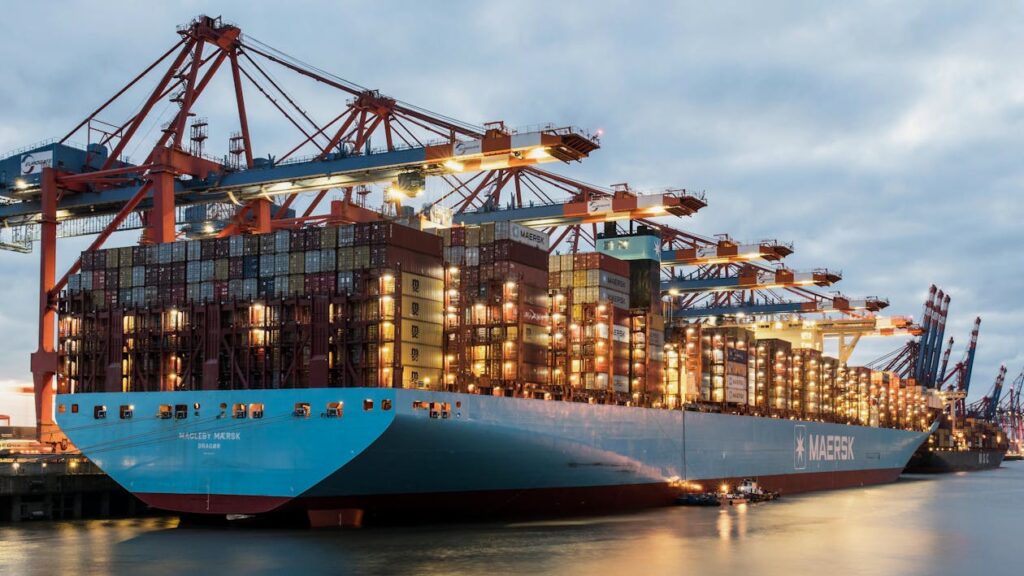
The Prime Minister emphasized that these attacks on grain exports are exacerbating food insecurity globally, driving up prices, and putting millions at risk of starvation. According to intelligence, Russia has damaged or destroyed numerous grain silos, elevators, and civilian port facilities, effectively reducing Ukraine’s export capacity by a third. This blockade also delays much-needed humanitarian aid to regions like Gaza, worsening the already dire conditions faced by Palestinians due to the ongoing Israel-Hamas conflict.
This disruption is not only a humanitarian crisis but also a strategic issue, as food shortages have the potential to destabilize already fragile economies in Africa and the Middle East. The UK, in collaboration with its allies, is taking action by increasing surveillance and reconnaissance operations over the Black Sea to deter Russian attacks on civilian vessels. Additionally, the UK has committed funding to the World Food Programme to help mitigate the impact of these disruptions.
Putin’s actions have drawn sharp criticism from global leaders, including those at the G20 Summit, where the Prime Minister called for collective efforts to counter Russia’s reckless behavior. The international community is particularly concerned that this blockade and the targeting of grain exports are part of a broader strategy to manipulate global markets and apply pressure on Ukraine and its allies.
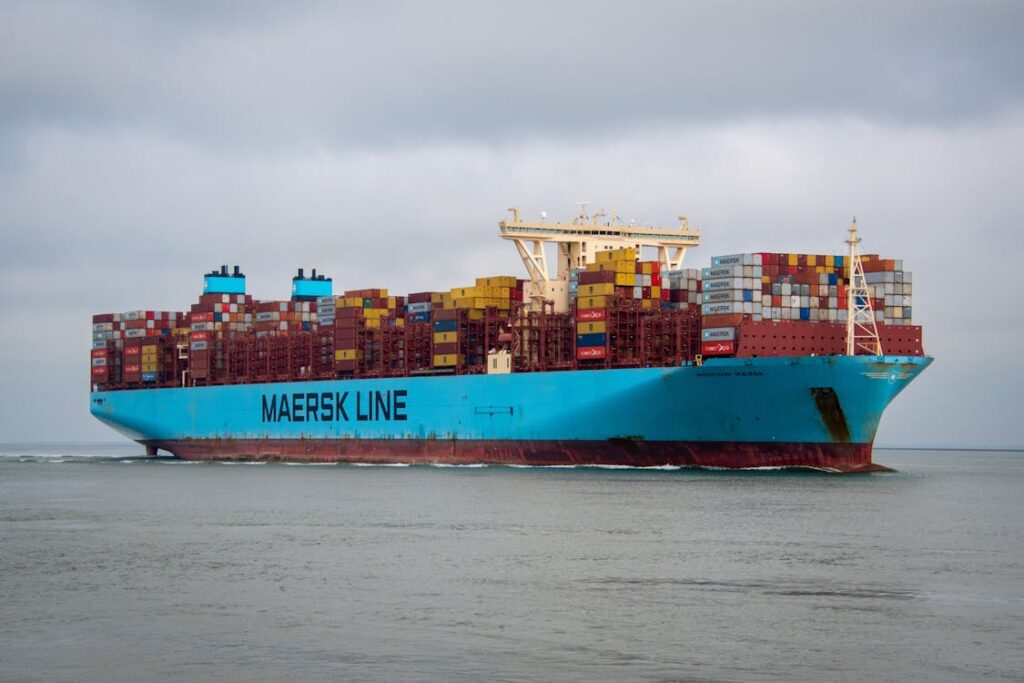
Moreover, Russia has declared that all vessels transiting to Ukrainian ports in the Black Sea will be treated as military targets, raising the risk of further escalation in the region. These attacks not only violate international maritime law but also heighten the risk of direct confrontation between Russia and Western countries.
The Prime Minister’s warnings come at a critical time, as food security continues to be a top global concern. The UK is leading initiatives to address the crisis, including hosting a major food security summit and providing further aid to countries hardest hit by rising food prices. The Prime Minister reiterated the importance of international unity in standing up to Russia’s aggression and ensuring that essential food supplies reach those in need.
The worsening situation in the Black Sea underscores the need for a coordinated international response to prevent further destabilization of global food supplies and to hold Russia accountable for its actions. As Putin continues to escalate the conflict, the world faces an increasing threat to both security and humanitarian stability
The ongoing Russian aggression in the Black Sea is a stark reminder of the broader consequences of geopolitical conflicts on global stability. Putin’s decision to target Ukraine’s grain infrastructure not only undermines Ukrainian sovereignty but also deepens the humanitarian crises in the Global South. With vital food supplies disrupted and international aid delayed, millions of lives are at risk, particularly in regions already grappling with food insecurity.
The UK and its allies are stepping up efforts to counter these destabilising actions through surveillance and military deterrence, ensuring that Russian attacks on civilian shipping are exposed and prevented. The Prime Minister’s call for global unity at forums like the G20 underscores the need for a coordinated international response to Russia’s tactics. By working together, the international community can hold Russia accountable, protect vulnerable populations, and restore stability to global food markets.
Russia’s actions in the Black Sea symbolise a broader threat to international norms, highlighting the urgency of defending not just Ukraine but the rules-based order that underpins global trade and security. The stakes are high, and failure to respond effectively risks prolonging both the humanitarian crisis and the strategic risks posed by an increasingly belligerent Russia.
https://black-root.com/contact-us/