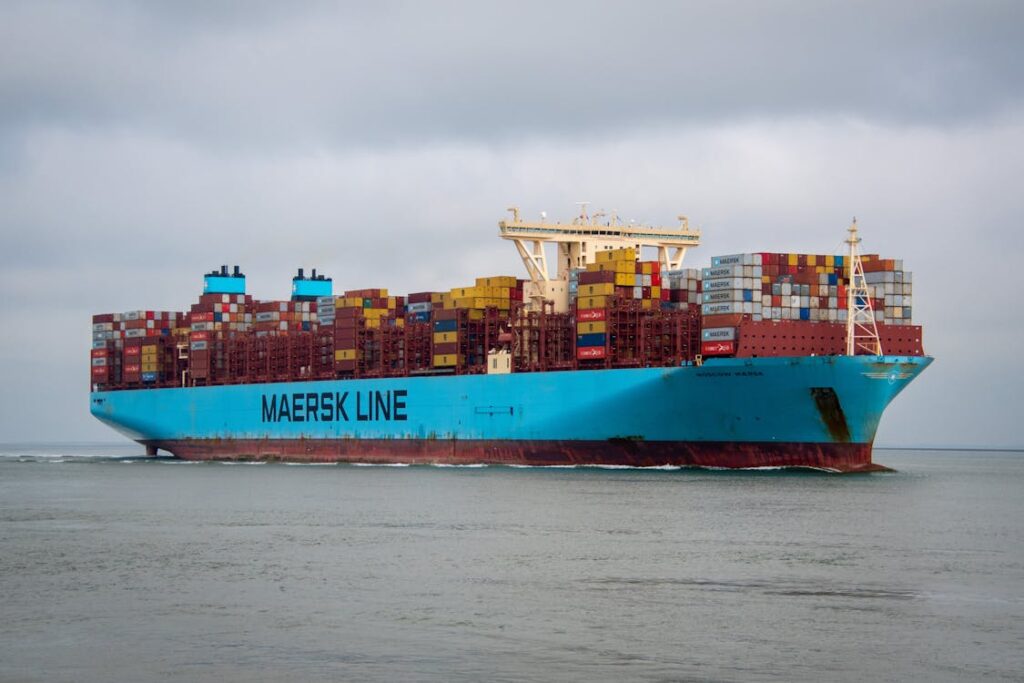
The importance of modern slavery when contracting in China
As global supply chains become increasingly complex, due diligence has become a critical component in international contracting, particularly when dealing with suppliers in China. For UK businesses, the importance of due diligence is twofold: ensuring compliance with legal standards and safeguarding against modern slavery.
Understanding Due Diligence in Contracting
Due diligence is the process of thoroughly investigating a business or individual before entering into a contract or agreement. It involves assessing financial records, legal compliance, and potential risks. For UK companies contracting in China, due diligence helps in identifying reliable partners, understanding market conditions, and ensuring compliance with both local and international regulations.
One of the primary reasons for conducting due diligence is to mitigate risks associated with financial instability or unethical practices by potential partners. In China, where business practices and regulatory environments can differ significantly from those in the UK, It allows UK businesses to make informed decisions and avoid potential pitfalls such as financial fraud, corruption, or breaches of international trade laws (J.P. Morgan | Official Website).
The Legal Imperative: Modern Slavery Act 2015
The UK’s Modern Slavery Act 2015 mandates that businesses ensure their supply chains are free from modern slavery. This legislation places a legal obligation on companies to conduct due diligence on their suppliers to prevent forced labor and human trafficking. For businesses contracting with Chinese suppliers, this means scrutinizing their practices to ensure compliance with the Modern Slavery Act.
China has been identified as a high-risk country for modern slavery, particularly in industries such as textiles, electronics, and manufacturing. Reports indicate that forced labor is prevalent in certain regions and sectors, making it crucial for UK businesses to conduct rigorous due diligence (Foley & Lardner LLP). Failure to do so can result in legal penalties, reputational damage, and the loss of consumer trust.
Implementing Effective Due Diligence Practices
Effective due diligence involves several key practices:
- Risk Assessment: Identify areas within the supply chain that are at high risk for modern slavery. This includes understanding the regional and sector-specific risks associated with Chinese suppliers.
- Supplier Audits: Conduct regular audits of suppliers to ensure compliance with labor standards. These audits should include both announced and unannounced visits to verify working conditions and practices.
- Compliance Verification: Ensure that suppliers adhere to international labor standards and local laws. This can be achieved by requiring certifications and conducting third-party verifications.
- Training and Awareness: Educate both UK and Chinese staff on modern slavery issues and the importance of due diligence. This helps in fostering a culture of compliance and ethical business practices.
- Contract Clauses: Include specific clauses in contracts that require suppliers to comply with anti-slavery laws and allow for termination of the contract in case of violations.
The Role of Technology in Due Diligence
Advancements in technology have significantly enhanced diligence processes. Tools such as blockchain can provide transparency in supply chains, ensuring that each step complies with legal and ethical standards. Moreover, artificial intelligence and data analytics can help in identifying patterns that might indicate modern slavery or other unethical practices (ASCM).
For instance, blockchain technology can be used to track the origin of materials and verify the labor conditions under which products are made. This level of transparency is invaluable for UK businesses seeking to comply with the Modern Slavery Act and maintain ethical supply chains.
Conclusion
In 2024, the importance of due diligence in contracting with Chinese suppliers cannot be overstated. For UK businesses, thorough due diligence is essential not only for legal compliance but also for safeguarding against modern slavery. By implementing robust due diligence practices and leveraging technology, businesses can ensure ethical operations, protect their reputation, and contribute to the global fight against modern slavery.
The complex and dynamic nature of international supply chains requires a proactive and informed approach. UK businesses must remain vigilant and committed to diligent processes to navigate the challenges and uphold their ethical and legal responsibilities.
BlackRoot: Our Ethical Code Of Practice