Report: The Working Conditions of Child Labourers at the Som Liquor Unit in India A recent investigation has brought to light the harrowing working conditions faced by child labourers at the Som Liquor Unit in India. The report, conducted by a coalition of human rights organisations and labour activists, reveals severe exploitation and abuse, raising urgent calls for intervention and reform.
Background
The Som Liquor Unit, one of the many industrial establishments in India’s burgeoning liquor production sector, has come under scrutiny following allegations of employing underage workers. The unit, located in a rural district, has been found to be engaging in practices that blatantly violate both national and international labor laws.
Findings of the Report
Employment of Underage Workers
Investigators found that children as young as 10 years old are employed at the Som Liquor Unit. These children, often from impoverished backgrounds, are forced into labour due to economic necessity. Many of them are not officially documented employees, making it difficult for authorities to track and intervene.
Working Hours and Conditions
The report documents excessively long working hours, with some children working up to 12-14 hours a day, six days a week. The work environment is hazardous, with children exposed to toxic chemicals, heavy machinery, and unsafe working conditions without proper safety gear or training.
Health and Safety Violations
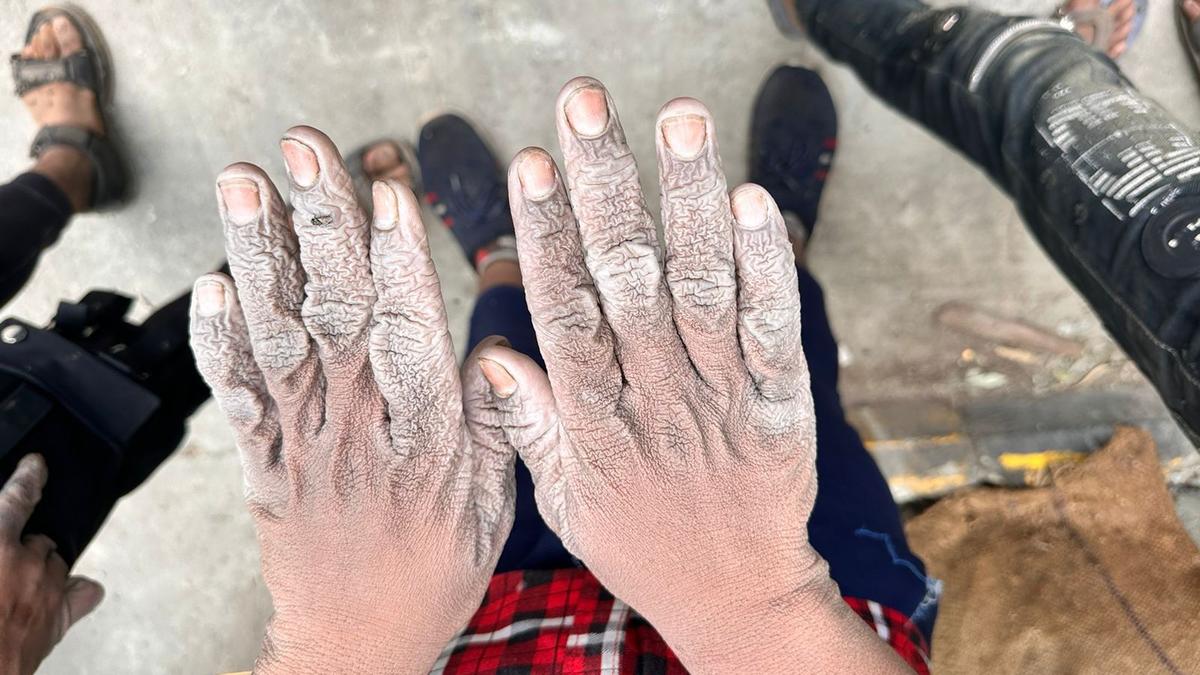
Children at the Som Liquor Unit are often found working in dangerous conditions without adequate protective equipment. Exposure to chemicals used in the production process has led to numerous health issues, including respiratory problems, skin diseases, and other long-term health complications.
Wages and Exploitation
The investigation uncovered that the child labourers are paid significantly below the minimum wage, often receiving only a fraction of what adult workers are paid. These meager earnings are usually handed over to their families, perpetuating a cycle of poverty and exploitation.
Impact on Education
The employment of children in the liquor unit has a devastating impact on their education. Many of the child laborers are forced to drop out of school to work, denying them the opportunity for a better future. This perpetuates a cycle of illiteracy and poverty, as these children miss out on essential education and skills development.
Response from Authorities
Following the release of the report, there has been a public outcry demanding immediate action. The Ministry of Labour and Employment has promised a thorough investigation into the allegations. In a statement, the ministry condemned the use of child labor and assured that stringent measures would be taken against those violating labor laws.
Company’s Stance
The management of the Som Liquor Unit has denied the allegations, claiming that they comply with all labor regulations. However, the evidence presented in the report suggests otherwise, calling into question the company’s practices and oversight.
Calls for Action
Human rights organizations and labor activists are calling for:
- Immediate Intervention: Urgent inspections and interventions at the Som Liquor Unit to rescue and rehabilitate the child labourers.
- Legal Action: Prosecution of those responsible for employing child labour and violating labour laws.
- Support Programs: Implementation of programs to support the education and rehabilitation of affected children.
- Strengthened Regulations: Enhanced enforcement of existing labour laws and stricter penalties for violations to prevent such exploitation in the future.
International Attention
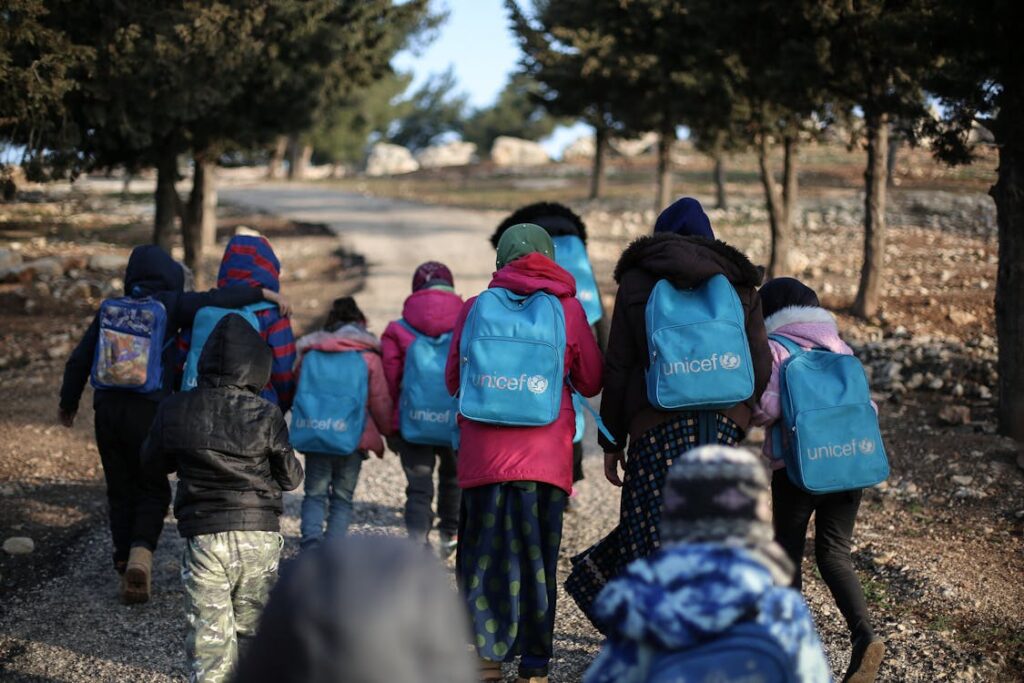
The issue has attracted international attention, with organizations like UNICEF and Human Rights Watch urging the Indian government to take swift action. They stress the need for a systemic change to eradicate child labour in the country.
Conclusion
The report on the working conditions of child labourers at the Som Liquor Unit is a stark reminder of the ongoing challenges in combating child labour in India. While the investigation has sparked outrage and promises of action, sustained efforts and systemic reforms are necessary to ensure that such exploitation is eliminated and that every child is afforded the right to a safe and healthy childhood.